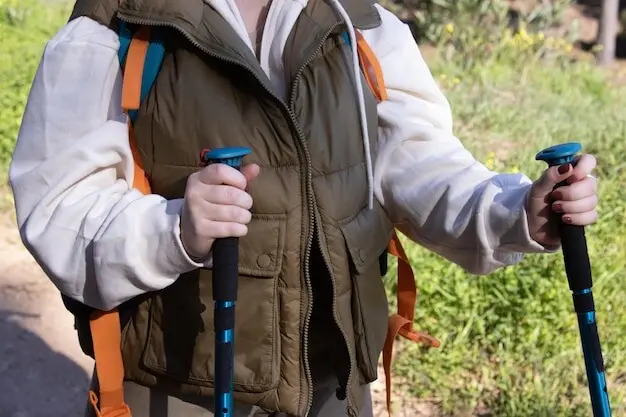
Breathe High, Walk Bold, Embrace the Cold
Preparing Your Body for Altitude-Infused Calm
CO2 Tolerance and Nasal Breathing
Training tolerance to rising carbon dioxide through nasal breathing, elongated exhales, and short breath holds improves composure on climbs and during icy plunges. Use conversational pace walks, box-breath patterns, and humming to stimulate nitric oxide, soften jaw tension, and keep awareness anchored even when the wind sharpens confidence.
Altitude Acclimatization Without Ego
Acclimatization favors humility. Sleep lower than you climb, drink enough but never force water, and eat warmly with salt. Limit new personal records; prioritize recovery walks and lingering breaths at overlooks. Notice headaches early, slow down, and invite the group to normalize rest stops as shared wisdom, not weakness.
Safety Protocols for Breathwork Outdoors
Outdoor breathing sessions ask for clear boundaries: seated stability, warm layers ready, a partner’s eye on you, and no long breath holds near water or cliffs. Keep emergency carbs available, communicate sensations aloud, and conclude with grounding touch, like palms on rock, to signal your body it is safe.
Water, Ice, and the Quiet Fire Within

Ridge Walks as Moving Meditation
Footwork and Focus on Narrow Ground
Look where you want to move, not where you fear slipping. Keep steps short, hips square, and hands relaxed near your center. Pause for three gentle breaths when gusts rise. Celebrate each careful crossing, and share route observations aloud so collective focus builds resilience stronger than any single stride.
Weather Wisdom and Route Choice
Cloud language matters. Read cumulus growth, track wind shifts along cornices, and respect thunder’s distant tests by turning back early. Choose ridges with bailout options, and carry microspikes, a map, and redundancy. Courage grows from preparation, not bravado, and turning around remains a mark of practiced, joyful wisdom.
Compassion for Heights and Hesitation
Vertigo often masks a caring nervous system. Offer kindness, widen stance, soften gaze to the horizon, and match exhale length to steps. Invite a supportive hand, name the fear quietly, then recount victories at camp later, transforming doubt into a shared library of practical, compassionate mountain courage.
Morning Breathing and Gentle Mobility
Midday Ridge Practice and Presence Anchors
Evening Cold Exposure and Warm Recovery
Designing a Day That Flows
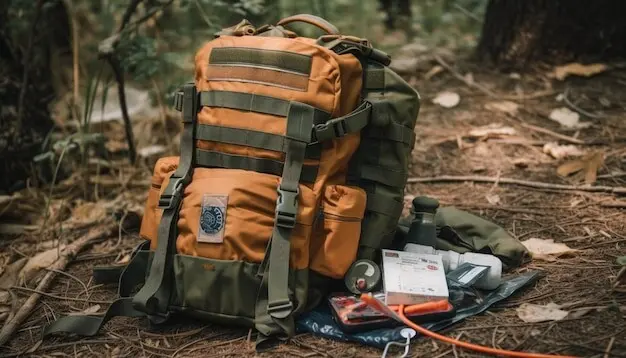
Stories from the High Paths
Layering for Calm in Shifting Weather
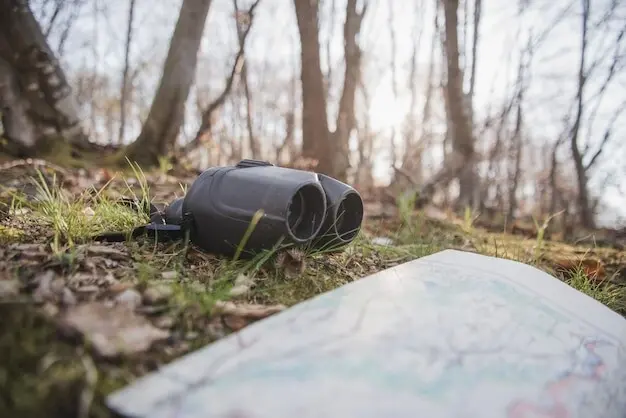
Fueling Nerves and Muscles the Gentle Way
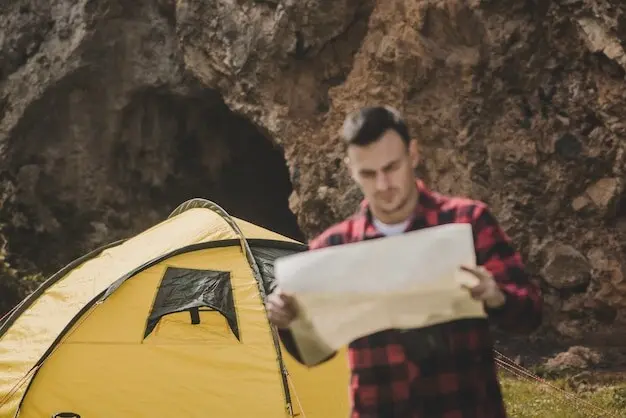
Navigation, Communication, and Redundancy